
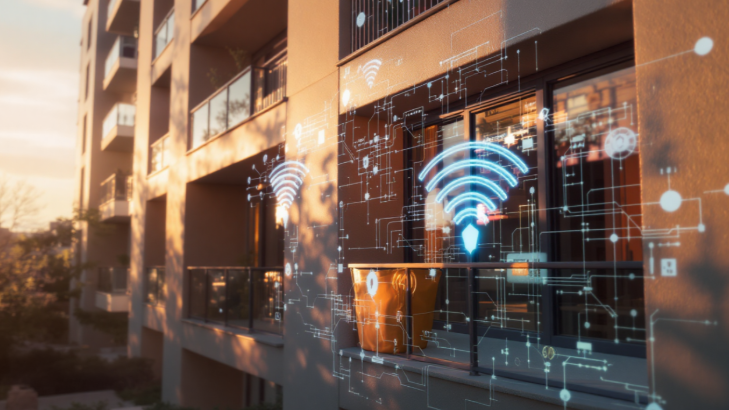
Walk into any modern apartment complex and you’ll notice something interesting. Residents stream movies, work remotely, run smart home devices, and rarely think twice about their connection. That kind of seamless experience doesn’t happen by accident. Multi-dwelling unit properties, often called MDUs, have spent years refining how internet infrastructure is designed, delivered, and maintained.
Hotels, on the other hand, face a different kind of pressure. Guests arrive with high expectations and very little patience. A slow connection or dropped signal can quickly turn into a negative review. So the question becomes, what can hotels take from the way MDUs approach connectivity? Quite a lot, actually.
Designing for Density, Not Just Coverage
One of the biggest lessons comes down to how networks are planned. In MDU environments, engineers don’t just aim to “cover” a building. They design for density. That means anticipating dozens or even hundreds of simultaneous users, all competing for bandwidth at the same time.
Hotels often underestimate this. A property might have strong signal strength in every room, yet still struggle during peak hours when everyone logs on at once. MDU design focuses on capacity from the start, placing access points strategically and ensuring the network can handle real-world usage patterns, not just ideal conditions.
It’s a subtle shift in thinking. Coverage gets people online. Capacity keeps them there.
Structured Cabling That Supports Growth
Another area where MDUs excel is in structured cabling. Instead of relying heavily on patchwork upgrades over time, many MDU properties invest upfront in clean, scalable wiring systems. This allows them to upgrade equipment without reworking the entire building.
Hotels sometimes fall into the trap of quick fixes. A new router here, an added extender there. It works for a while, but eventually creates a tangled system that’s harder to manage and more prone to failure.
A well-planned cabling backbone gives hotels flexibility. It makes future upgrades smoother and reduces downtime when changes are needed. Over time, that kind of stability becomes noticeable to guests, even if they can’t quite explain why the connection feels more reliable.
Centralized Network Management
MDU operators often rely on centralized systems to monitor and manage their networks. From a single dashboard, they can track performance, detect issues, and push updates across the entire property.
Hotels can benefit from this same approach. Instead of reacting to complaints at the front desk, staff can proactively identify slowdowns or outages before guests even notice. It changes the dynamic from reactive troubleshooting to active management.
There’s also a practical advantage. Centralized control reduces the need for on-site technical intervention, which can save time and operational costs.
Consistency Across Every Unit
In an apartment building, tenants expect their internet experience to be consistent regardless of which unit they’re in. MDU designs reflect that expectation. Each unit is treated as part of a larger system, not an isolated endpoint.
Hotels sometimes struggle here. One room might have excellent speeds, while another at the end of the hall deals with spotty coverage. Guests don’t see these as technical challenges. They see them as inconsistencies in service.
By adopting MDU-style planning, hotels can create a more uniform experience. That might involve rethinking access point placement or standardizing equipment across the property. Small changes, but they add up quickly.
Bandwidth Allocation and Fair Usage
MDU networks often include smart bandwidth management. This ensures that one heavy user doesn’t slow things down for everyone else. It’s a balancing act, especially in environments where usage patterns vary widely throughout the day.
Hotels can apply similar principles. A guest streaming in 4K shouldn’t impact someone else trying to join a video call. Thoughtful bandwidth allocation helps maintain fairness across the network.
This is where solutions tied to MDU internet services become especially relevant. They often include built-in tools for managing traffic, prioritizing essential applications, and keeping the overall experience stable.
Future-Proofing with Fiber and Modern Hardware
Many newer MDU developments are built with fiber infrastructure from the beginning. Even older properties are making the shift as demand grows. The goal is simple. Stay ahead of future needs instead of constantly catching up.
Hotels can take a similar approach. Investing in modern hardware and higher-capacity connections might feel like a big step upfront, but it reduces the need for frequent upgrades. It also positions the property to handle emerging technologies, from smart room controls to bandwidth-heavy guest applications. There’s something reassuring about a network that feels ready for what’s next.
See also: Why is TopScan Vulnerability Scanning Essential for Business?
Guest Experience Starts Behind the Scenes
It’s easy to think of internet access as just another amenity. A checkbox on a list. But in reality, it plays a much bigger role in how guests perceive their stay.
MDU properties understand this. Their residents depend on connectivity for daily life, so reliability becomes part of the overall experience. Hotels can adopt that same mindset. Instead of treating WiFi as an add-on, it becomes part of the core offering. When the network works well, guests don’t notice it. They simply enjoy their stay without interruption. That’s the goal.
By borrowing ideas from MDU infrastructure design, hotels can build networks that are more resilient, scalable, and consistent. It doesn’t require reinventing the wheel. Just a shift in how the system is planned and maintained.
And once those changes are in place, the results tend to speak for themselves. Fewer complaints, smoother operations, and guests who leave with one less thing to worry about.


